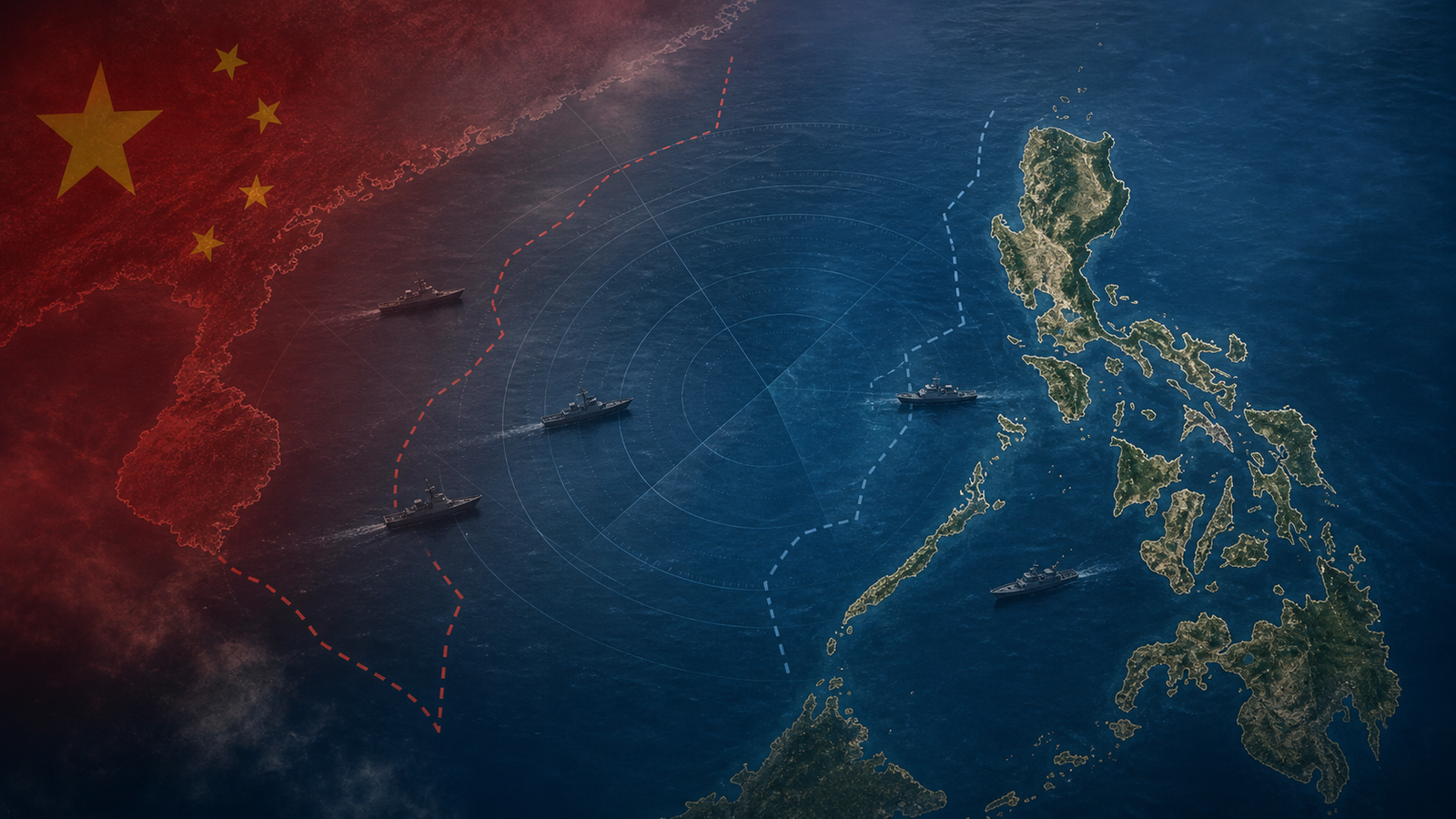
The Philippines is placing renewed emphasis on maritime readiness as tensions with China continue across parts of the South China Sea, known in Manila as the West Philippine Sea.
The Philippine Star reported on Wednesday that more than 400 Filipino and Australian soldiers have begun a month-long joint training exercise under the Kasangga 2026-1 activity. The exercise is aimed at improving interoperability and supports the Philippine Army's shift toward external security operations.
The drills follow a series of Philippine Coast Guard reports about Chinese vessels near sensitive features including Zambales, Pag-asa Island and Reed Bank. Earlier this month, Reuters reported that the coast guard accused a Chinese research vessel of conducting unauthorised marine scientific research near the gas-rich Reed Bank area inside the Philippines' exclusive economic zone.
Why Manila is watching the sea closely
The dispute is not only about ships. Reed Bank is considered important because of its energy potential, while Pag-asa Island and nearby sandbars carry strategic value in the Spratly Islands. Philippine officials have repeatedly cited the 2016 arbitral ruling that rejected China's sweeping claims in the South China Sea.
China continues to claim most of the South China Sea, a position challenged by the Philippines and several other governments. Encounters at sea have included patrols, radio challenges, vessel shadowing and diplomatic protests.
What to watch next
The next signs will likely come from Philippine Coast Guard patrol reports, joint military exercise updates and whether Beijing responds publicly to Manila's latest maritime activity.
For local readers in the Philippines, the practical question is whether expanded drills and coast guard patrols reduce pressure around Zambales, Pag-asa and Reed Bank, or whether more encounters follow in the coming weeks.
Sources
- Philippine Star: Philippines, Australia begin military drills
- Reuters via Interaksyon: Philippines says China vessel conducting illegal research near Reed Bank
- Philippine Star: PCG drives off Chinese ship found off Zambales
- Associated Press: Philippines opens key coast guard base in disputed South China Sea