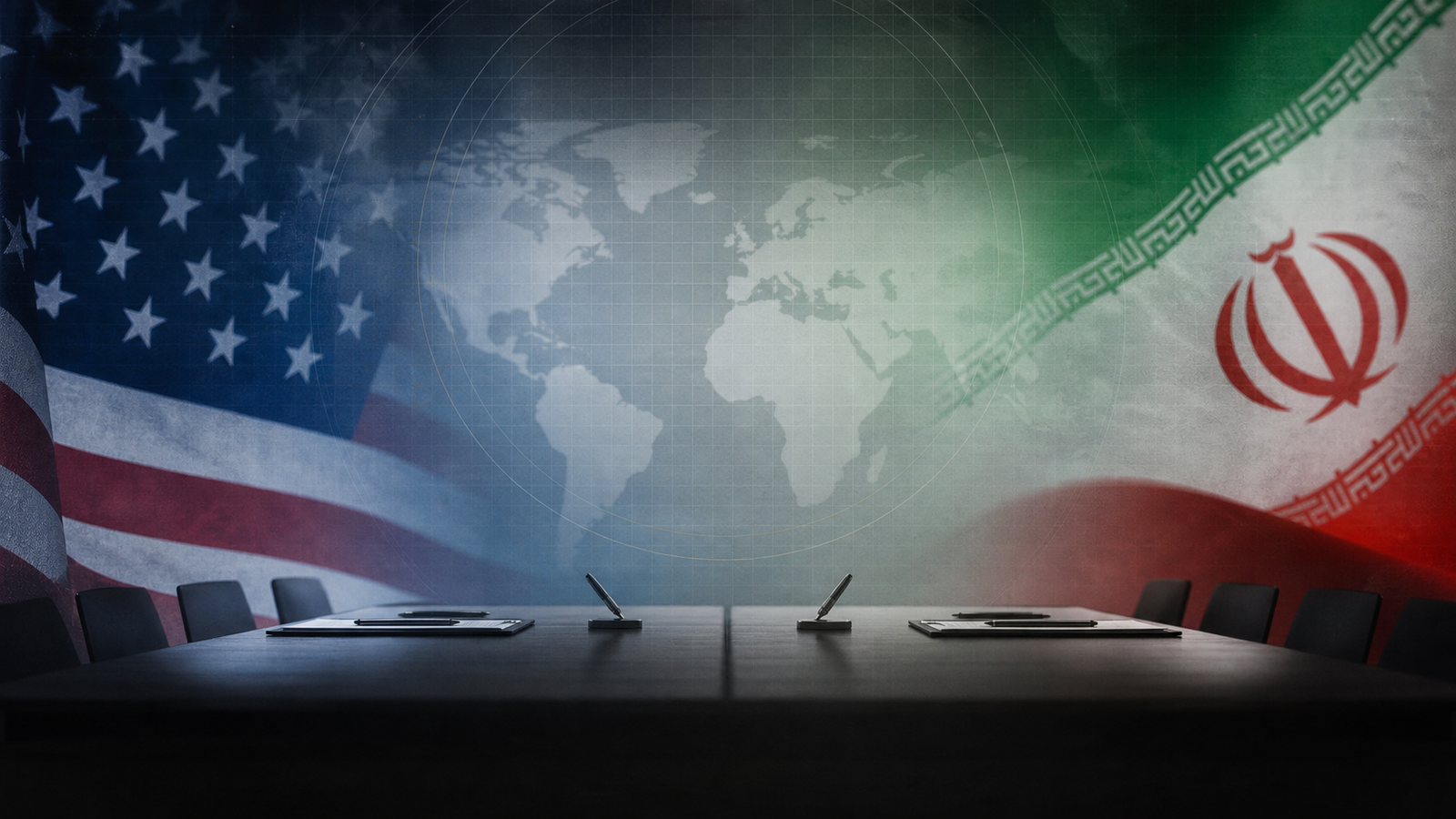
Talks over a possible U.S.-Iran deal have entered a difficult phase, with President Donald Trump saying progress is possible while reports from Washington and the region suggest the outcome is still far from settled.
The Associated Press reported that Mr. Trump was set to meet his Cabinet on Wednesday at a sensitive moment for negotiations aimed at ending the war with Iran. The report said the President had recently claimed that a settlement had been largely negotiated, even as the talks remained in flux.
The uncertainty has grown because diplomacy is moving alongside military pressure. In another AP update, Iran described recent U.S. airstrikes as a sign of bad faith while negotiations continued. That contrast has made it difficult for either side to present the process as a clear diplomatic win.
Why the deal question is complicated
For Washington, the central message is that a deal could reduce the risk of a wider conflict and reopen space for negotiations on Iran's nuclear programme and regional tensions. For Tehran, any agreement is likely to be judged by whether it ends pressure without making Iran appear to concede under force.
Israel's role also remains important. Reuters reported, through officials familiar with private conversations, that Israeli Prime Minister Benjamin Netanyahu had acknowledged limits in influencing Mr. Trump's Iran decisions as the U.S. pursued negotiations.
That leaves the talks in an uneasy middle ground: progress is being claimed, but the political cost of compromise remains high for all sides involved.
What to watch next
The next signals will likely come from three areas: whether Washington reduces military pressure, whether Iran accepts a framework for further talks, and whether Israel publicly backs or challenges the emerging approach.
Until those positions become clearer, the question around the talks remains the same: is this a path to a deal, or another pause before the crisis deepens?
Sources
- Associated Press: Trump gathers Cabinet as he looks to seal deal to end war
- Associated Press: Iran deal progress is murky after U.S. strikes
- Reuters via Investing.com: Netanyahu admits difficulty influencing Trump decisions on Iran
- Firstpost source video: US, Iran Talks Explained